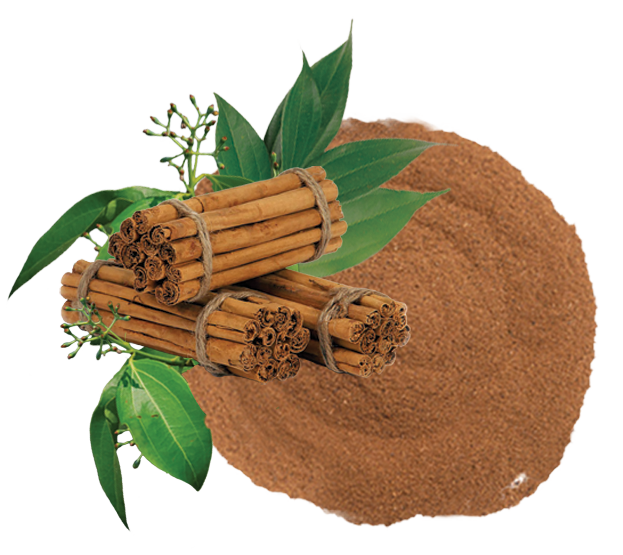
The cinnamon plant, scientifically known as Cinnamomum verum (also referred to as Cinnamomum zeylanicum), is a tropical evergreen tree native to Sri Lanka (formerly Ceylon). Sri Lankan cinnamon, often called “Ceylon cinnamon,” is considered superior in quality compared to other varieties of cinnamon and is highly prized for its delicate flavor, soft texture, and therapeutic properties.
Description of the Plant:
- Scientific Name: Cinnamomum verum (syn. Cinnamomum zeylanicum)
- Family: Lauraceae
- Common Names: True Cinnamon, Ceylon Cinnamon, Sri Lankan Cinnamon
Physical Characteristics:
- Height: A cinnamon tree can grow up to 10–15 meters in height, but it is often pruned to a bush-like structure for commercial purposes, to facilitate the harvesting of bark.
- Leaves: The cinnamon tree has shiny, dark green, lanceolate leaves. The young leaves initially have a reddish or pink hue, gradually turning green as they mature. They are leathery in texture, with a prominent central vein and an average length of 7-18 cm.
- Bark: The bark is thin and smooth when harvested. It is this inner bark that is peeled, dried, and rolled into cinnamon quills. The outer bark is rough, and as the plant matures, it thickens and hardens, but the inner bark remains soft and flavorful. The harvested bark curls into quills as it dries, which are light brown in color.
- Flowers: The tree produces small, pale-yellow or greenish-white flowers. These flowers are clustered into panicles. Although they are not very fragrant, they do have a mild, slightly unpleasant odor.
- Fruit: The plant produces small, oval berries (drupes), which are purple-black when ripe. Each berry contains a single seed and is about 1 cm in diameter.
Cultivation and Growth:
Sri Lanka’s warm, tropical climate with high humidity and well-drained, sandy-loam soil is ideal for cinnamon cultivation. Cinnamon trees thrive in the central and southern parts of Sri Lanka, where rainfall is plentiful.- Propagation: The cinnamon plant is typically propagated through cuttings or seeds, though cuttings are preferred for commercial cultivation because they ensure the same quality as the parent tree.
- Harvesting: The best time to harvest cinnamon is during the wet season, as the bark peels off more easily. After cutting the stems, the outer bark is scraped off, and the inner bark is carefully removed, dried, and rolled into quills.
- Processing: In Sri Lanka, skilled artisans carefully hand-roll the harvested bark into cinnamon quills. The quills are then sun-dried and sorted based on quality and size. The finest cinnamon is known as “Alba,” which is thin and smooth.
Uses and Benefits:
- Culinary Use: Sri Lankan cinnamon is widely used in cooking for its delicate, sweet, and mild flavor. It is an essential ingredient in spice blends, desserts, baked goods, curries, and beverages like tea.
- Medicinal Properties: Ceylon cinnamon is rich in antioxidants and has anti-inflammatory, antimicrobial, and antifungal properties. It has been traditionally used in Ayurveda to treat digestive disorders, respiratory issues, and to regulate blood sugar levels.
- Aroma and Flavor: Ceylon cinnamon has a more subtle, sweet, and complex aroma than other types of cinnamon, such as the cassia variety, which is commonly sold in other parts of the world. The flavor is milder, making it preferred for both sweet and savory dishes.